maandag 10 maart 2014

Unforgettable Years

During the year 2011, I questioned my mother about her formative years. Having reached the venerable age of 87, my father, her husband, had died only recently. How often had she told my brother Marnix and me about those wonderful days in the Dutch East Indies and about the terrible war years in the Netherlands thereafter. From our earliest days we had loved her stories about Tempo Doeloe, the baboes, kokkie and the sense of security that she must have experienced as a young girl. A life that would never end. And we shivered hearing the tales about the bleak, cold and unfriendly life in occupied Holland and the jobs she did for the Resistance. So, bit by bit and when the opportunity arose, we had formed ourselves an image of the early years of our mom’s life. But never did we get a consistent, more or less chronological account. 

Nevertheless, there is one now. A fact that stems from a piece of text, to be represented in the book 'Years never to forget' under the title ‘Part One’. A text that Els van Hesteren had taken down in her own characteristic easy, chatty writing style.

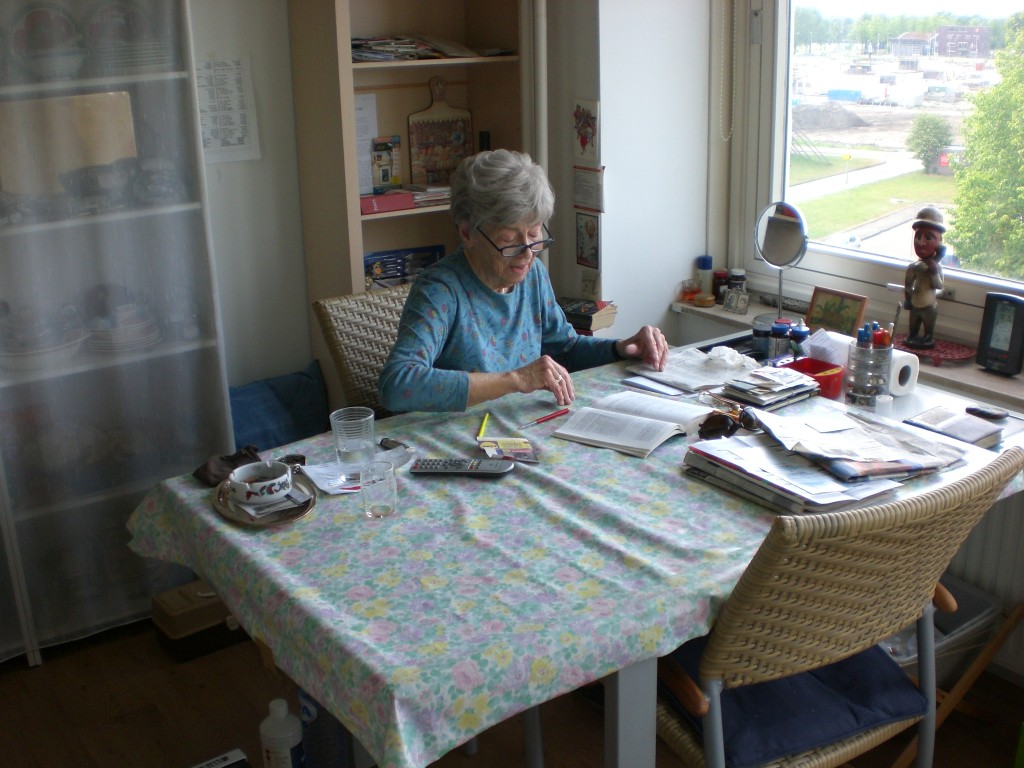
It induced me to place myself with my notepad at her kitchen table in her apartment in Amsterdam-Slotervaart. “Now, why don’t you tell me about your life in its proper order, Mam! What happened exactly, during those wandering years in World War Two, how did you meet this Scottish guy George, why did you never finish an academic education?”


At the kitchen table in Amsterdam. Picture Henk van Hesteren

So, week after week, I have been returning to Amsterdam with typed out pages, that brought her to new reminiscences. For weeks, sometimes months, we co-operatively developed this biography. Sometimes my mother’s tales needed some editing and when I felt that things did not feel chronologically right, we discussed the item until my mother and I were in agreement. Eventually the moment arrived when she could not add much more to her memories. We had to conclude the story and put it aside for a considerable time.

Some years later, at the end of January 2014, the long, fascinating life of my mother came to an end. At the age of ninety years, she had still been living independently in her apartment in Amsterdam. Early in December 2013, she had agreed to move to our family home in Harlingen, in the North of the Netherlands. My wife Inge and me had been insisting on this move for some time. After a fall in 2012 she had not left her bed any more. In our view, this made her solitary life in her apartment lonesome and risky. Who was paying attention to her, besides the weekly visits of my brother and me and some home care assistance, for ten minutes, two or three times a day?


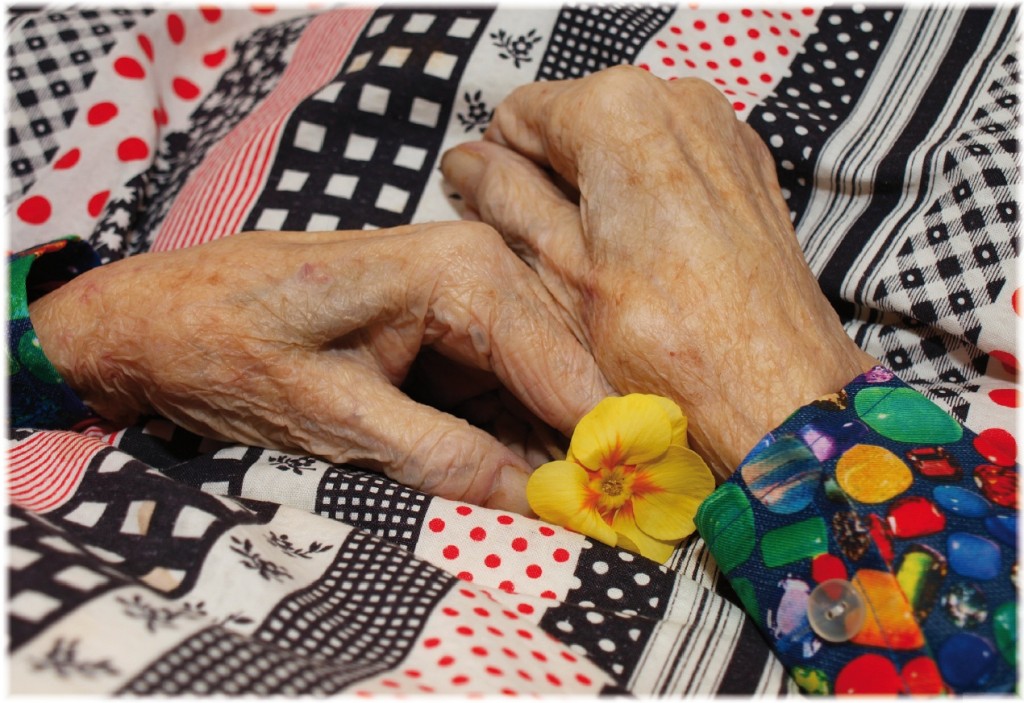
Picture: Inge van Hesteren 

So, she came over to Harlingen. All of us had been hoping that she would have some good years in our family home. “You’re making me feel like a princess!” she used to tell us. A cup of tea, a sandwich, homemade food in the evenings, the merry Christmas days, happy birthdays and perhaps a barbecue party in the garden. But, after some weeks, her body and her mind decided differently. My mother had come to the conclusion that she had done and seen enough. Slowly but surely she allowed the life to flee away from her, as if she had been living on spiritual power alone. We had to accept this and we were happy that we had been able to experience her last fifty days so closely. What really helped, was her certain confidence in the life hereafter, where all of us are destined to go when we leave this world. A favorite subject of her and probably worth a book in itself!

After everything that had happened during those last fifty days, I had developed a strong desire for a worthy conclusion to the 59 years that I had taken my mother for granted. So, my search for a conclusion and an homage resulted in this e-book: sometimes unbalanced, not very chronological, here and there mixing opinions and events. But certainly a good representation of the person Els van Hesteren, how she lived, how she acted, how she felt …

Gijs van Hesteren

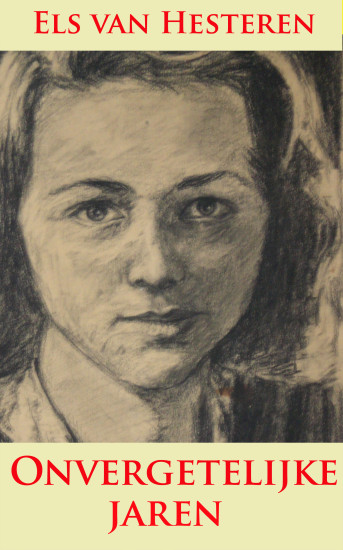
This is the preface to the e-book 'Years never to forget'. I'm working hard now to finish the English version of this e-book. The Dutch version has already been published on Amazon: 'Onvergetelijke jaren'.

Read this blog post in Dutch

When I published the Dutch version of the e-book on Amazon.com I created an author page, at the instigation of Liesbeth Heen, about whom I will tell more in a future blogpost.  See my author page : amazon.com/author/gijsvanhesteren.

woensdag 4 januari 2012

Glassfiber for Frisian video service desk

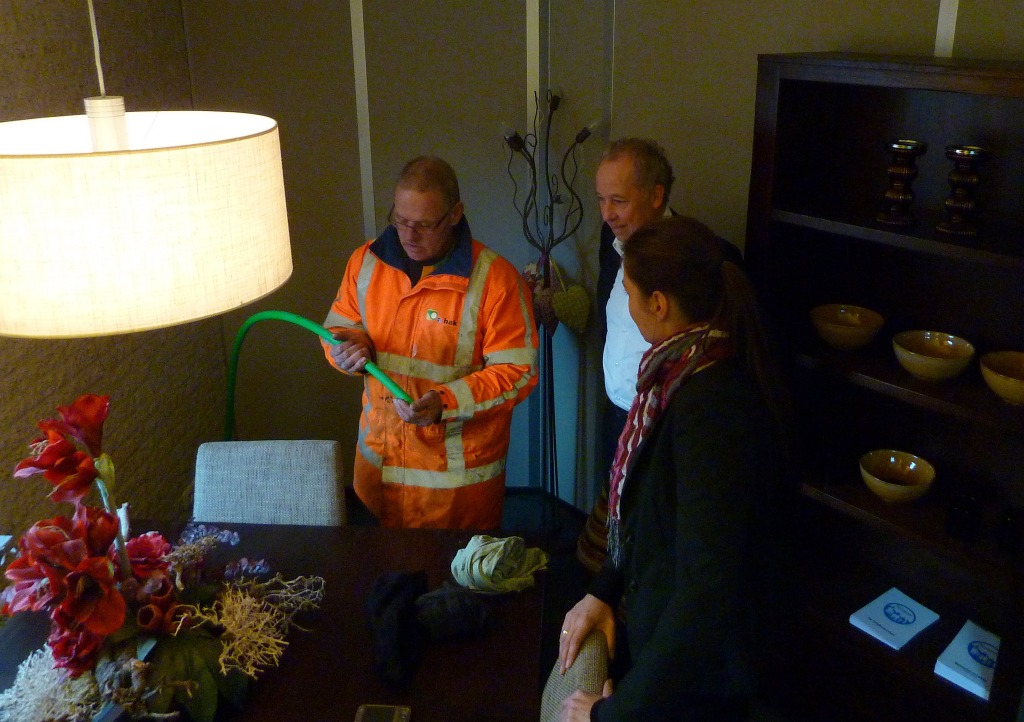
Incidentally, I was around when some collegues were starting the construction of a glassfiber connection for the 'Heidepunt' in Twijzelerheide. We were planning to demonstrate the Byldskermloket, the video service desk. Representatives of the Achtkarspelen municipality, Home care institution Thuiszorg De Friese Wouden and reintegration organisation Raderwerk had just seated themselves when an enormous drill was started.

The technicians might not have timed their visit well, but on the other hand, a better moment was hardly imaginable. An internet application, assisted by high end digital infrastructure, that's what the visitors had come for. And the guys were quickly done. Hole in the wall, fiber ducts in place and back to business again.

The ADSL connection, used up till now, was hardly adequate for the skype based video communication. We expect the video quality to become much better now. At the same time, Kabel Noord will connect two elementary schools to glassfiber.

Vital Rural Area


The Byldskermloket is one of the Vital Rural Area pilot activities in Work Package 1, which is concerned with improvement of rural services. I have blogged about Vital Rural Area regularly.


"Look gentlemen, it's very simple...."


Pics © Kabel Noord, Gijs van Hesteren

This posting in Dutch

Kickoff for digital services Burum

Burum, December 7th, village centre Toutenburg.
Marcella Jansen of the Kollumerland c.a. municipality presents the actual status of 'Smart Rural Network Society' and the Digital Village Centre. After her speech, the virtual community website www.burum.info/digitaalplatform and a great number of digital health and welfare applications are demonstrated.

A virtual village centre is being constructed, in cooperation with the villagers. Innovative ICT applications try to reinvent and reinstate services, that have been disappearing because of increasing demographic decline. Quality of living may be retained, or even improved.

The virtual village centre starts with an interactive virtual community platform on the internet. Also, a health care pilot and a virtual video service desk. Of course, a lot more is possible e.g. supermarket services, help and contact improvements of inhabitants.


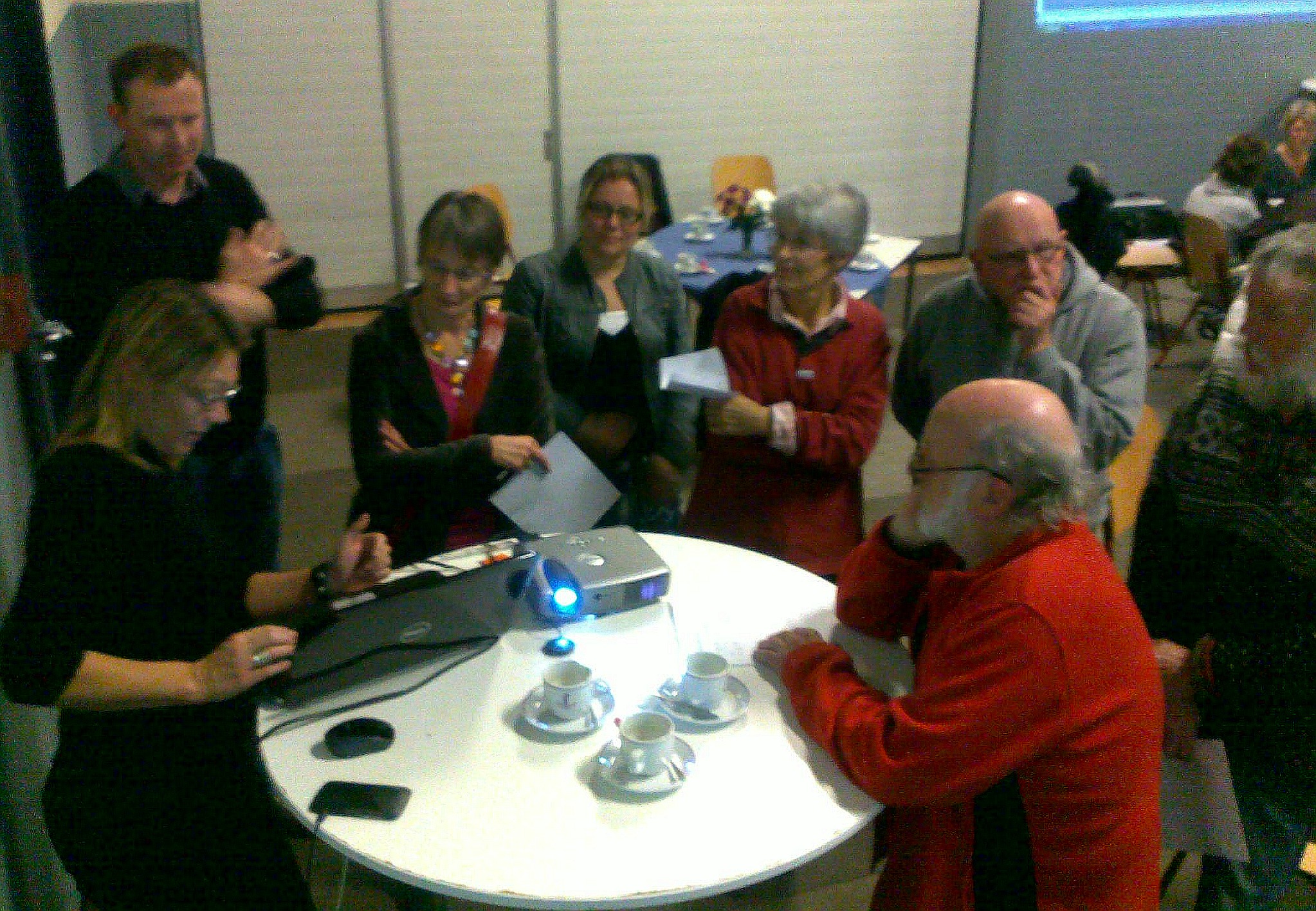
Burum villagers are introduced to caire.nu

Survey

At the close of 2010, a survey was executed in Burum, in cooperation with the Frisian social research institute Partoer CMO Fryslân. The Burum inhabitants were asked what kind of services and facilities they were missing and which they would like to have returned to the village.

This survey led to a lot of new ideas and suggestions: a village website, accessible on the television set; a local section of Senior web, an internet community of senior citizens who learn their age group peers how to navigate the web safely and securely; delivery of books and shoppings to the village centre depot; a website organising neighbourly assistance; a video service desk in the village centre to access municipal, banking or health care service providers. Other ideas were online shopping, online gaming, book swap via internet or television, mobility sharing, or mutual assistance by swapping expertise.


Joanneke Holtrup of home care institution Thuiszorg Het Friese Land explains to the villagers how the video communication functions. At the moment, her organisation delivers long distance home care to more than 120 clients.

Health care

The 7 December evening was focussing on the digital possibilities for health care.

During the last few months, the health care subgroup, chaired by Partoer specialist Trees Flapper has started to work on the results of the 2010 survey. The group selected six digital applications that were already available in the Netherlands and had their owners present them to the villagers. These were:

50plusnet
Caire.nu
Video home care by THFL
Mijngezondheid.nl ('my health')
Internet monitoring of blood glucose, weight and blood pressure
Prevention of overweight


ICT specialist Jan Zijlstra, himself a Burum villager, is developing the virtual village community website , based on the Ning platform.

The Burum villagers can use the virtual community website to search for information on virtual health care applications, or discuss the availability and sensibility of these digital services. There are a chat facility, a forum, a blogging module and they can share media. In this way, they cooperate to realise their ideal village centre. An enhanced physical, brick a and wood village centre, accompanied and assisted by a virtual village centre.


The evening was attended by approximately 35 villagers.

Dutch version of this posting

All pics © Kabel Noord, Gijs van Hesteren

Newsletter Digital Village Centre

Smart virtual village Centre

One of the things we tried to do was a table of relationships between a village centre and an actual brick village centre.

Marcella Jansen says, that the newsletter will be delivered to all households of Burum.


Visualisation of the virtual village centre. Click picture to enlarge.

Visualisation of the virtual village centre
Click picture to enlarge
. Pic by Kabel Noord, Gijs van Hesteren

Download the Newsletter digitally (in Dutch, 4Mb)

Dutch language version of this blog

dinsdag 13 december 2011

Vital Rural Area Update # 3 - Optimising Services


Recently, the third issue of the Vital Rural Area Newsletter was published. In this newsletter the focus was Optimising Services, Vital Rural Area’s Work Package 3. Kabel Noord was very honoured to be appointed as editors of this issue. On request of Jan Walburg, program manager of the European Interreg IVB project, our trainee Meindert Rozendal and me have done the interviews and compiled all the texts. In correct English, thanks to Paul Dickson from the UK!


Here follows the newsletter. It can be downloaded as a PDF too.

International Policy Forum


In May 2011, Danish, Norwegian, Belgian and Dutch partners met to review progress on Work Package 3, during the International Policy Forum at Esonstad, province of Fryslân. ‘Our goal is to improve the quality and the quantity of services in rural areas,’ said Martijn Ledegang Chairman Work Package 3. ‘These services can be non-profit or commercial. They may be delivered in a traditional way, but are more likely to be digital.’
Generally speaking, all proposed activities are developing on schedule, but there have been some setbacks. Martijn Ledegang explains, ‘the setbacks have been minor, mainly in process management and the search for cofunders. The market has to deal with the financial crisis and SMEs are reluctant to spend money on innovation with uncertain results. The good news is that all partners are in agreement about the scope and content of the proposed regional projects.
The broader picture has never been questioned.We are all certain that ICT, internet and new media will have an enormous influence on the future of rural regions and are doing our utmost to translate this into common practice.’


The Work Package 3 partner meeting at Esonstad, left to right: Eli Viten, Simon Simonsen, Martijn Ledegang, Marcella Jansen.

NOFA, Kollumerland, The Netherlands – Tinke, net Drinke


NOFA is working with NetNix, a foundation that produces multimedia with young people, for young people. NetNix filmed a series of videos for the ‘Tinke, net Drinke!’ (Think, don’t Drink) anti-alcohol project in Kollumerland. ‘Rather than inviting young people to unwanted advice sessions, we decided to use their music, video and daily lives as a backdrop to the problems associated with alcohol abuse,’ said Marcella Jansen. ‘Both adults and young people were happy with the result.’

NOFA, Burum, The Netherlands – Irreversible Trend


The North East Frisian municipality of Kollumerland c.a. and the Province of Fryslân have chosen the small village of Burum as the focus for their Vital Rural Area pilot projects. Burum is a small settlement with around 600 residents. The average age is rising – an irreversible trend. The village does not have a shop, café, post office or bank, however, the lively village centre has become the focus of activity.
Marcella Jansen, municipal project leader, explains, ‘a Byldskermloket is being created in the village centre. This virtual office desk will bring municipal and commercial services to the citizens, including a social support desk, police and shopping.’
‘Accessibility and transport, loneliness and safety are also key issues,’ added Marcella Jansen. ‘A group of stakeholders is working on a package of healthcare services based on ICT. Home help, GPs, a pharmacist and physiotherapists are participating. The plan is to offer services that will make it possible for the elderly to continue living in the village, even if they need care and assistance.’
‘We are promoting a healthy lifestyle and neighbourly help. Our umbrella project is called the ‘Smart Rural Network Society’. The aim is to build a community network, in close cooperation with the villagers. It will look like a local Facebook, will be connected to the digital office and will complement the village centre services.’


Vejen Kommune, Denmark – It’s all about changing habits!


Helped by its advanced fiber to the home network, Vejen Kommune has developed several projects for Work Package 3. They have prepared a web portal for elderly people and a number of video conferencing systems for various applications. Currently the most successful is distance medical diagnosis using video phones. Project Leader Simon Simonsen introduces a further project, ‘this year we have started implementing several digital self-service solutions. We expect that local residents will have less need to visit the municipality offices. Citizens will have access to services online. It’s all about changing habits!’
‘Until now people have been used to the idea that they had to go to the municipality’s offices. However, thanks to the work of more than100 of our Digital Ambassadors, who are training fellow citizens and colleagues to use the system, we have had a significant increase in online contact.’


Training Digital Ambassadors in Vejen

Finnøy, Rogaland, Norway – Changing Lifestyle


How is the region going to improve innovation in health and wellbeing? Keywords are the use of ICT, lifelong learning and enabling individuals to make the right choices. Local project manager Heidi Skifjell explains, ‘our main aim is to change the lifestyle of Finnøy residents. This municipality comprises a number of islands and has 3000 inhabitants. The people do not have a healthy lifestyle.We think they should care more about their eating habits and take more exercise, instead of sitting in cars or behind desks. Rogaland county has launched a website, www.livsstil.finnoy.no, in cooperation with Finnøy municipality, containing information about health, better food and exercise. Recipes are provided and health specialists give advice including a medical doctor, a dietician and a physiotherapist. The popularity of the website is growing. Already 92 people have signed up. At the moment there are twice as many women as men, average age 45 to 50.We expect interest in the website will grow quickly.’


Vital Rural Area stand at Finnøy Tomato Festival

Twijzelerheide, Achtkarspelen, The Netherlands – Byldskermloket


At the end of 2010 the Byldskermloket (virtual office desk) was opened in the Heidepunt (Village Support Centre) in the small community of Twijzelerheide, municipality of Achtkarspelen. Broadband with webcam connects the residents to the municipality offices, 15 kilometres away. Initially, only employment and welfare services were available, but during the last six months the municipality has developed a comprehensive package of services for its Twijzelerheide virtual office.
‘Not only does the municipality act as service provider,’ said Frederieke van der Lijn, project manager working with Esther Veenstra and a group of SME partners. ‘But the local police has also decided to use the virtual office. And although a final decision has yet to be made, the regional Rabobank wants to join the platform. The ADSL connection will be replaced by a broadband glass fiber network. This will improve the bandwidth, speed and capacity of the services. It will be possible to have Skype conversations in full HD quality, and file transfer will take milliseconds.’ The virtual office desk project was completed in 2011 and is now an integral part of the village’s daily life.


Virtual Service Desk demonstration at Twijzelerheide Village Fair

Achtkarspelen, The Netherlands – Klasseglas Project


The Achtkarspelen municipality wants to connect all its primary schools to a glass fiber network. Using ICT will improve the quality of education programmes. Sytze Nauta, responsible for the Klasseglas project explains, ‘Twijzelerheide village support centre and two primary schools will be connected. This pilot will be monitored not only for education delivery, but also for local government and management use. The glass fiber connection will be operational by the end of 2011.’

Kortrijk, Belgium – Fast Glass Fiber Network


Several municipalities in the area now see the need for a fast glass fiber network. Recently they agreed a longterm plan for its development. However, according to Filip Meuris, project leader of Vital Rural Area in Belgium, more support at the political level is still necessary. ‘A test project started this year, in an area to the south of the city of Kortrijk. This is a modest pilot, resembling the Glês yn Hûs project in Dokkum, The Netherlands. We hope that it will facilitate new business activity, citizen engagement with public issues and greater community interaction.’
‘On 15 September all municipalities in the Kortrijk region signed the Regional Ambition for e-government and service delivery, which includes the commitment to collaborate over the ICT infrastructure. One of the main activities will be the construction of an open regional broadband network, connecting all local government offices, research and educational institutions, major industrial sites and hospitals.
The Vital Rural Area project has been an important catalyst for this commitment.’ The broadband infrastructure will support both new and existing projects, for example ‘My Ugly Spots’, ‘Our TV’ and a home care website. Filip Meuris explains, ‘citizens can post their ‘Ugly Spots’ online and these can commented on by others using Web 2.0 techniques. The local government has launched a digital TV platform, which shares news, experiences and views with residents. Anyone interested can become a stakeholder in ‘Our TV’. Before the end of 2011, we also plan to launch thematic films in co-operation with health and care professionals.’


Broadband for rural areas

Download the Newsletter from the Vital Rural Area website

Interviews: Meindert Rozendal, Kabel Noord / NHL University
Text: Gijs van Hesteren, Kabel Noord
Editor: Paul Dickson, Norfolk county
Pictures: Vital Rural Area


Partners Vital Rural Area Project


NOFA, Buitenpost, The Netherlands - lead partner, Norfolk
County Council, Norwich, United Kingdom - chair WP1,
Streekplatform+ Meetjesland, Eeklo, Belgium - chair WP2,
Province of Fryslân, Leeuwarden, The Netherlands - chair WP3,
City of Langenhagen, Germany, Wirtschaftsakademie Schleswig-
Holstein, Büro Husum, Germany, Vejen Kommune, Denmark,
Municipality of Sluis, Oostburg, The Netherlands, Rogaland
Fylkeskommune, Stavanger, Norway, Finnøy Kommune, Judaberg,
Norway, Friese Poort Bedrijfsopleidingen, Leeuwarden, The
Netherlands, Intercommunale Leiedal, Kortrijk, Belgium,
Province of West Flanders, Brugge (Sint Andries), Belgium.

Interreg


Investing in the future by working together for a sustainable and competitive region.


Vital website


www.vitalruralarea.eu
vrijdag 28 januari 2011

The Internet of Humanity

Al op 13 januari gunde Max Vijftigsschild mij de primeur. De directeur van de Friese Internetacademie kwam ik tegen tijdens het symposium van het Friese innovatiefonds Fryslân Fernijt. In dank heb ik me beperkt tot een enkele tweet, want tenslotte ben ik slechts een amateurjournalist. Op 12 januari miniblogde ik: "De internettende wasmachine van de Friese Internetacademie is intussen een feit."

De primeur was voor mij, omdat de innovatieafdeling van het Dokkumer Kabel Noord een klein bijrolletje heeft kunnen spelen. Dankzij de Powerlineadapters die we over hadden van het IPTV-project Gamenations kon de proefmachine snel en gemakkelijk gekoppeld worden aan het internet.

Daarna was het even stil, totdat Vijftigschild een persbericht verzond. Het nieuws over de uitvinding werd deze week opgepikt door de Leeuwarder Courant en Omrop Fryslân, zie onderaan dit bericht.

Vijftigschild zelf zegt hierover: "Het idee van een slimme wasmachine is al drie jaar oud. Dit semester diende zich een afstudeerder aan, Jorrit Praamsma. Hij wilde het project graag uitvoeren. Het is gerealiseerd met open source hardware en software. De basisgedachte is ketenomkering. Het energiebedrijf zet de wasmachine aan op het moment dat de energieprijs laag is."

In deze tijd van Smart Grids en het Internet of Things ligt een zelfdenkende en internettende wasmachine voor de hand. Vijftigschild zelf spreekt over Web 3.0.

Onderweg naar morgen


Helemaal geen gekke gedachte, vind ik. We begonnen met Web 1.0, het Internet van de Techneuten. Daarna ontstond Web 2.0, het Internet of People. Via Internet of Things voorzie ik dat er over een jaar of dertig een Internet of Humanity is ontstaan. Wij zullen desgewenst een USB-stick in ons oor steken. Daarmee staan wij in permanente verbinding met het web. Van tijd tot tijd zal ons individuele bewustzijn deel uitmaken van een overstijgend, wereldwijd en gemeenschappelijk bewustzijn. De som van 1 + 1 zal meer zijn dan 2.

Het is duidelijk dat we in een tijdperk van overgang leven. Deze maatschappelijke transitie is minstens zo ingrijpend als de overgang van een jagend naar een sedentair bestaan, de uitvinding van het schrift of de industriële revolutie.

Het nieuwsbericht van Omrop Fryslân:


Van Knipsels innovatienieuws

zaterdag 15 januari 2011

Achteloze delete van webarchief


Het Volkskrantblog gaat uit de lucht, kregen wij bloggers onlangs te horen. Naar nu blijkt heeft de vaste redactie van de papieren krant altijd met dédain neergekeken op al die onopgeleide, onbetaalde en ondeskundige bloggers op dit VKblogpodium.

Dat beeld wordt niet alleen bevestigd door het korte en onverschillige e-mailtje dat ik onlangs ontving van hoofdredacteur Philippe Remarque. Vandaag wist ik dat zeker, na lezing van de wekelijkse column van Thom Meens, de normaal gesproken altijd redelijke en empatische ombudsman van de Volkskrant. Hij is blij dat hij van de bloggers af is. Ik vind het een beetje gemakkelijk hoe Meens de schrijfsels op het vkblog als 'bagger' kwalificeert. Ik voel me aangesproken en misschien zelfs enigszins beledigd.

Nee, wat Meens stelt is juist: zelden of nooit verscheen er nieuws uit het vkblog in de reguliere krant. Was het niet nieuwswaardig of niet lezenswaardig? Nee, de krantenredactie nam niet de moeite om naar de parels te zoeken, laat staan dat de redactie zou weten hoe die te vinden.

Enfin, dat gedoe met het vkblog leidt alleen maar af. Ik wil er helemaal niet mee bezig zijn. Helaas blijft dit aandacht opeisen; ik vind het lastig dat m'n online archief vernietigd wordt, door de verdedigers van 't vrije woord nog wel.


De column van Thom Meens


Uiteraard verschijnt dit blogje ook op vkblog. Je weet maar nooit hoe lang dit podium toch nog bestaat.

Fryske Dagen

--

donderdag 13 januari 2011

Het geheim van Terneuzen

Onderweg en toch thuis


De man van de nieuwe wethouder in Harlingen zit ook op Twitter. We hebben laatst samen koffie gedronken in Hotel Zeezicht. "Je moet eens bij ons langskomen," zei Conny van Gremberghen, journalist van beroep. Niet veel later vind ik mezelf terug in een viersterrenhotel in Terneuzen. Inderdaad, van het een komt het ander.

In de eetzaal van het hotel kijk ik uit over de Westerschelde. Het zicht op het langzaam in het avondduister verdwijnende grootscheepse vaarwater ontdooit mijn oude zeemanshart. Het maakt me dichterlijk. Ik zit toch alleen aan tafel; het personeel is voorkomend maar afstandelijk, zoals te verwachten is in een net hotel. Alleen het twitterpubliek houdt me gezelschap. In hoog tempo stuur ik twichten het internet op.

“De bakens blinken, groen en rood. Op de Westerschelde vaart een boot. Het hotelmenu is best gezond. Dus ik tweet dat in het rond. “
“Schepen in de Scheldenacht. Hun lichten als rivieren. Ze varen langs, als verdwaalde dieren, vol verborgen dieselkracht.”
“Met zoveel virtuele eetgenoten, smaakte ook de zeebaars goed. Het geeft me voor 't toetje moed. Op de Schelde varen nog steeds die boten.”

Het Sinterklaasrijm doet pijn aan de oren, maar enfin, dit houdt me even bezig.


Ongelooflijk uitzicht over de Westerschelde vanuit het balkon van het Terneuzense gemeentehuis.

De volgende ochtend vertel ik over het Noordoostfriese geheim. Samenwerking, doelgerichtheid. Platteland en ICT, een sterke combinatie. In de zaal luisteren de kopstukken van Zeeuws-Vlaanderen . Ze zijn de beslissers in de zorg, het onderwijs, de overheid en het bedrijfsleven. Jeanette Groeneveld leidt de middag. Zij is degene die me heeft uitgenodigd. We kennen elkaar via Vital Rural Area, het Interregproject waar ook Noordoost-Friesland bij betrokken is. Op Jeanette na lijkt breedband in Zeeuws-Vlaanderen een zaak van mannen in donkere pakken.

Breedband in Zeeuws-Vlaanderen


Feyo Sickighe van Bird & Bird gaat me voor. Hij spreekt over regelgeving en glasvezeltrends. Een goed verhaal, ik ben blij dat ik dat niet allemaal hoef te vertellen. Hij stelt, dat de coaxkabel nog wel 15 jaar meekan. Dát vraag ik me af. Ziet hij over het hoofd dat coax asymmetrisch is en beperkt van capaciteit? Wijselijk houd ik me buiten die discussie. Mijn eigen verhaal draai ik af binnen de gestelde tijd. Voor het eerst gebruik ik het online presentatiegereedschapje Prezi. De verbinding lijkt even te hangen, maar het kwam goed. Het publiek vind Prezi prachtig. Het halve werk.


Wethouder Bos opent de vergadering. Jeanette Groeneveld houdt in de gaten dat hij niet vergeet om iets te vertellen.

Alles goed en wel; ik kom daar om te vertellen hoe goed we het doen in Friesland, maar Zeeland loopt vóór op het Noorden. In elk geval hier en daar, zoals met glasvezelaansluitingen voor basisonderwijs. Niet minder dan 136 Zeeuwse scholen onderschreven onlangs een convenant. Ze gaan nu gezamenlijk aan het werk met breedband. Wij zijn zover nog niet!

Het gebruik van e-Learning en ‘werken vanuit de cloud’ staan op het wensenlijstje. Dat is iets dat noch de Zeeuwen, noch de Friezen al hebben kunnen verwerkelijken. Misschien liggen wij hier wél een beetje voorop: is dit een kans voor de Friese Virtuele Campus? Gert-Jaap van Ulzen heeft hard gewerkt aan het van de grond krijgen van deze gebruikersvereniging. De VCF gaat het draagvlak en de uitvoerende macht vormen voor betere efficiëntie en nieuwe vormen van lesgeven.

Breedband aanjagen


Ik noteer nog enkele zaken die me opvielen.
Toeristen worden een belangrijke factor in de breedbandbehoefte en men wil verder met toeristische wifi hotspots. Dat vind ik interessant, vooral omdat één van de techneuten die daar mee bezig is in de zaal zit.
De thuiszorgmanagers in de zaal herkennen onze projecten voor zorg-op-afstand. Ze aarzelen echter over de inpasbaarheid van e-Health in de zorgprocessen. Dat is geen nieuws voor mij. Het langetermijnbelang ziet iedereen in; het is alleen zo verdomd moeilijk om dat in kortetermijnacties om te zetten…
De bandbreedtebehoefte van het grote ziekenhuis in Zeeuws –Vlaanderen neemt exponentieel toe, dus misschien is het G-woord van ‘glasvezel’ toch niet zo overbodig.
Enfin, er is veel verwarring, over de begrippen breedband en over wie er een kar zou moeten trekken. Het leek wel Friesland. Eén ding is zeker: zonder regionaal aanjagen zal er niet veel tot stand komen.

Op de terugweg naar het Noorden sta ik in de file op de Ring van Rotterdam. Ik verlaat de weg en eet een lang niet slechte kipsalade bij de Schiedamse Burger King. Onder het kauwen denk ik nog even terug aan mijn Zeeuwse avontuur. Mijn komst was niet voor niets, vind ik, en past ook prettig in de Europese 'knowledge transfer' en internationale samenwerkingsgedachte van Brussel in het algemeen en van Vital Rural Area in het bijzonder.

Mijn verhaal met Prezi

Lees de regionale verslagen:


Zeeland Ontwaak! vindt voedingsbodem
Actieplan voor digitale snelwegen

Meer over Vital Rural Area en platteland

Zie ook Fryske Dagen op VKblog.

zondag 9 januari 2011

Volkskrantblog, toch bedankt

Vier jaar en ruim zevenhonderd berichtjes verder is het nu bijna voorbij. Ooit koos ik voor het platform, vanwege het innovatieve karakter. Welk ander traditioneel medium gaf al in 2005 zijn lezers de kans om méé te schrijven aan de krant? Web 2.0 avant la lettre was het. Volkskrantblog, bedankt!

Het was een gewenningsproces voor me. Als beginnend blogger vond ik het bar spannend, die wereldwijde publicatie van mijn gedachten. Stel je voor dat iemand het leest! Bijna gênant. Het zou bijna aanvoelen alsof ik een blozende tiener was, die in de klas werd betrapt met een liefdesgedicht.

Naarmate het aantal roerselen steeg, nam de gêne af. Dat moest ook, want hoe word je anders ooit een schrijver? Volkskrantblog, bedankt!

Voor het medium koos ik ook, omdat de zoekmachines al die blogjes van de Volkskrantsite zo goed konden vinden. Die drempel had ik genomen: het maakte me op zich niet zoveel uit of het gelezen werd, maar als ik toch aan het schrijven ging, dan maar liever voor een zo groot mogelijk publiek. Nou, dat was er. Volkskrantblog, bedankt!

Dus dit afscheid is er een in dank en met een klein beetje weemoed. Ondanks de onaardige brief van de hoofdredacteur die ik deze week ontving. Die brief, die door Philip Remarque aan mij en aan alle andere duizend zoveel volkskrantbloggers was gestuurd. Net in functie en dit was zijn eerste wapenfeit. Au, dat deed pijn.

De stekker ging eruit, op 1 maart al. Tja, zei Philip Remarque, de redactie kon er nu eenmaal niet de benodigde aandacht aan schenken. Tja, dacht ik, het zal wel te duur zijn geworden. Tja, dacht de redacteur waarschijnlijk, het is crisis. Tja, dacht ik, had je niet even kunnen overleggen? Had je misschien op zijn minst “sorry!” kunnen zeggen? Tja, dacht Remarque, misschien kunnen we al die honderden berichten die iedereen de laatste jaren heeft geschreven wel migreren naar een andere site? Tja, dacht ik, misschien had je daar van te voren even beter over na kunnen denken? Verdorie!

Ach ja, het zijn de hard feelings die wel vaker de kop opsteken bij een afscheid. Maar dat is maar voor even. De wereld draait door, het overzetten van de berichten naar een andere website zal op één of andere manier wel lukken, de krant zal nog wel - even - blijven bestaan. Dus we kijken terug op de zegeningen die het ons bracht. Volkskrantblog, bedankt!

Het glas is altijd half vol.

woensdag 5 januari 2011

Een huis in Rotterdam


Nederland Vertaalt heeft een wedstrijd uitgeschreven. Onder andere kan je proberen de traditional 'House of the Rising Sun' te vertalen. Ik kon het niet laten een poging te doen. Het rijmt niet erg, maar dat doet het origineel ook slechts hier en daar.
Als je vertaling gekozen wordt, mag je meedoen aan de vertaalworkshops en het programma Nederland Vertaalt op 6 maart 2011 in het Muziekgebouw aan 't IJ. Dat lijkt me leuk.

House of the Rising Sun


D'r is een huis in Rotterdam
Ze noemen 't De Ondergang
Menig sloeber trof er zijn noodlot aan
En god, één van hen was ik.

Mijn moeder werkte in de Hema
Ze kwam met moeite rond
Mijn vader hing op straat
Toen, in het oude Rotterdam

Het enige dat een zwerver wenst
Is een rugzak en een bed
Tevreden ben ik alleen dan
Als ik straalbezopen ben

Ach moeder, zeg je kinderen
Leef niet het leven dat ik deed
Ik verspilde mijn jaren aan drank en drugs
In het Huis de Ondergang

Nou, met de ene voet op het perron
Met de andere al in de trein
Ga ik terug naar Rotterdam
Dragen zal ik daar mijn lot

Ja, er is een huis in Rotterdam
Ze noemen het de Ondergang
Menig sloeber trof er zijn noodlot aan
En god, één van hen was ik

Ik ga terug naar Rotterdam
Bijna voltooid is nu mijn strijd
Ik ga terug, mijn leven eindigt daar
In dat huis, de Ondergang

--

vrijdag 24 september 2010

Our Common Future 2.0 carries on

Tweede sessie Thema Toerisme

Hoofdkantoor Grontmij, De Bilt. Licht teleurgesteld door de zeer lage opkomst zijn we met ons zevenen toch vol goede moed begonnen aan onze tweede bijeenkomst. We hoopten hier spijkers met koppen te kunnen slaan en dat is gelukt.

Het praatte gemakkelijk in zo'n kleine groep. We hebben rekening gehouden met alles wat tijdens de eerste sessie op 7 september is besproken. Dat was zeer uitgebreid genotuleerd door Moniek van Daal. Erg prettig, het gaf veel houvast.


Natuurlijk was het best ingewikkeld om met zoveel achtergronden en vanuit zoveel visies te komen tot een voor allen aanvaardbare thematiek. Aan het eind waren we eruit en zelfs konden we een aantalvan de belangrijkste taken verdelen.

Volgende week vrijdag zullen we per subthema een beknopte powerpoint aan elkaar presenteren. Die documenten worden het uitgangspunt voor het uiteindelijke hondertal pagina's dat we midden december moeten aanleveren. We zien elkaar dus over precies een week weer.

Herkansing; we hopen natuurlijk dat in elk geval de mensen die aangaven dat ze verhinderd waren erbij kunnen zijn en wie weet: degenen die niets hebben laten horen. Ook zij zijn nog steeds welkom!

Zie alle foto's op
http://ocftoerisme.hyves.nl/fotos/?autoOpenAlbumId=0

dinsdag 13 juli 2010

European videoconferencing

Every time when we met, during the last one and a half year, Simon Simonsen and me assured each other that we would use video conferencing as an innovative way to keep in contact. In the European project Vital Rural Area, Simon represents the Danish municipality of Vejen. About twice a year delegates of North East Friesland, Denmark and eleven other international North Sea partners congregate. Regularly, I'm attending, as advisor of the North East Frisian municpalities and of the Department of Economic Affairs of the Province of Fryslân.


From left to right and form top to bottom: Sytze Nauta (Municipality of Achtkarspelen), Marc Crolla, Simon Simonosen (Municipality of Vejen), Gijs van Hesteren and Marcella Jansen (Municipality of Kollumerland). Picture: Kabel Noord.

Meeting more often than twice a year would be preferable, but financial and practical considerations prohibit this. Nevertheless, these meetings are of utmost importance. The Interreg IV-B agency in Viborg demands 'transnationality and knowledge transfer'. Those two items are the most difficult aspects of any international project. Every participating region has its own - sometimes hidden - agenda and its own budget, and it's only human that they prefer to work on these aspects first.
On the other hand, if we want to learn form each other's best practices in Europe, we must try to share our secrets. Therefore, the Interreg Program pays a lot of attention to the international commmunication.

So, how did we solve this problem? The road to hell is paved with good intentions. Simon and me still had not gotten around to executing our promises. For a guy like Marc Crolla though, this was a piece of cake. He organised an international meeting about one of the Vital Rural Area projects, the Frisian Klasseglas project.

Marc has specialised himself in ICT work processes, research and organisation, video communication and transitions in the Health & Education sector. He has a lot of experience in video conferencing. He developed hardware platforms and work protocols for educational institutions and e-Health pilots in Spain and the Netherlands. His proposal was to have an international meeting, using Skype for an effective video conference.

Why skype? This platform is not yet compatible with video protocols like H323 and SIP, the generally accepted and age-old standards for video conferencing. That does not have to be problematic, though. Nowadays, tens of millions of users are connecting via Skype. For multi-point video conferencing, the big break has come with the latest bèta version of Skype 5. It's possible now, to make video connection for more than two users at the same time.

Of course, it's very probable, that the Estonian-Luxembourg company will develop compatibility with other internet protocols in the near future. A long time ago Skype enabled interconnection with mobile and fixed phone numbers, so why not with video protocols like H323? That aside, the platform is very cost effective. Installing Skype is free and if one eventually decides to uninstall it again, no money will have been wasted.

So, last week, we gathered around the virtual conference table. Beetsterzwaag, Dokkum, Surhuisterveen (NL) and Vejen (DK) spoke for about half an hour, with perfect sound and video and in real time. For two out of the five attendees, it was a totally new experience.

The first minutes, the participants needed to get used to the interface. Thanks to the protocol that Marc had developed, the chairman was able to lead the meeting effectively. For those who can read Dutch: read the weblog of Marc Crolla about this subject: Denen helpen Friezen.

The next experiment will be to have meetings more frequently and with a larger number of participants.

Information about:
Vital Rural Area
Klasseglas
NijFinster
Kabel Noord
Blog Marc Crolla

Dutch version of this blog

zondag 13 juni 2010

Willem Roggen en de kunst van het brommeronderhoud

Oude brommers eren levensgenieter met memorial run vanuit Harlingen

Willem Roggen was de Harlinger profeet van het brommervirus. Een excentrieke ouwe seun was hij, die van het leven een feest maakte. Hij is er niet meer, maar zijn voorbeeld en zijn herinnering worden levend gehouden door de jaarlijkse "Willem-Roggenrit". Honderden liefhebbers van klassieke bromfietsen trekken in juni naar de café 't Skûtsje. Op de hoek van het Franekereind en de Heiligeweg starten zij voor een rit door het Friese greidelân.

Een lange rij bromfietsers tekent zich af op het vidaduct over de A7 bij Wons.


Sinds mijn achttiende jaar beschik ik niet meer over een bromfiets. Door vrijheidsgevoel, rijbeleving en techniek geprikkeld heb ik me op het pad der motorfiets begeven. Desondanks was de brommer als fenomeen nooit uit mijn geheugen verdwenen. Niet voor niets: die eerste Puch Skyrider in 1969 opende voor mij de poort naar de wereld. Ongekende vrijheid! Wat maakte ik veel kilometers, dat eerste jaar. Dagelijks naar school in Oudenbosch, 32 kilometer uit en thuis. Maar ook reed ik vanuit Breda naar mijn oma in Hilversum, naar mijn tante in Haarlem, naar klasgenoten in Nieuwendijk en Hulst.

Niet veel later vierde ik met Willem Bouwkamp brom- en zeilvakanties in Zeeland. Willem, Robert Vermeulen en ik gingen kamperen op Sint-Anneke, om te werken in de Antwerpse haven. Met Egbert Kalle maakte ik een mammoetrit naar de Italiaanse Dolomieten. Dat allemaal met de Puch met het hoge stuur. Wel opgevoerd, want in het buitenland zijn er geen fietspaden. Je moet een beetje mee kunnen komen met het snelverkeer, toch?

Niet altijd verliepen de reizen vlekkeloos. Mijn mooie expansieuitlaat viel ter hoogte van Koblenz van de brommer af en verdween onder de wielen van een vrachtwagen. Niet goed vastgezet. Toen al ontdekte ik dat ik wel technisch en handig was in mijn hoofd, maar dat mijn handen het slecht vertaalden in de praktijk. Regelmatige pannes hebben mij achtervolgd in mijn brom- en motorfietscarrière, totdat ik mijn beperkingen accepteerde. Nu sleutel ik nog steeds veel - en met liefde - aan mijn vijf tweewielers, maar als het ‘moeilijk’ wordt, besteed ik het uit. Op die manier waarborg ik het goede functioneren van de Ducati, de MZ’s, de Yamaha en de Triumph.

Oudere jongeren, bij hun oudere brommer


Voor de meeste liefhebbers die zondagmorgen voor café ’t Skûtsje stonden, lag het anders. Zij waren wél handig met hun handen. Dit jaar was het prachtig mooi weer; dat zorgde voor een zeer groot aantal deelnemers. Hoe prachtig stonden hun machientjes er bij; wat stonden die mooi te glimmen in de zon! Ik zag het graag, maar vroeg me opnieuw af, waarom het mij nooit lukte om mijn tweewielers er zo strak uit te laten zien. Daarom werd mijn aandacht en mijn voorkeur onvermijdelijk getrokken naar de bezitters van de wat minder spectaculair onderhouden brommers. Gezellige maar rijdbare vervoermiddelen bezaten zij, met het patina van decennia duidelijk zichtbaar. "Dans son jus," zeggen ze in België en Frankrijk.

Auto? Nergens voor nodig!


Die duidelijk tweedehandse brombakfietsen bijvoorbeeld, geen showmodellen, maar dagelijks in gebruik bij hun eigenaren. Vaak oudere jongeren, of zelfs echte jongeren. “Ja hoor, de hond gaat altijd mee in de bak”, bevestigde een van de bestuurders mij. Geen probleem, dit keer paste ook diens vriendin of zusje er nog bij. Ik vond het een verleidelijk gezicht, al die leuke brommers; de trits met Tomossen en Puchs zou me bijna in de verleiding brengen om ook zo’n klassieker te gaan opknappen. Maar je moet mooie en goede dingen uit je jeugd nooit een tweede keer proberen na te doen, dacht ik bij mijzelf. Die eerste, sprankelende, zinderende ervaring van 1969, toen de wereld nog helder en jong was, kan je toch niet evenaren.

Het zijn maar bespiegelingen. Gelukkig zijn er veel mensen die er anders mee omgaan. Ik sprak met Henk van Doorn, die op zaterdag met een clubje geestverwanten vanuit Utrecht naar Harlingen was gebromd, bepakt met tent en slaapzak. “Heerlijk onthaasten,” zei hij tegen mij. Apetrots was hij op zijn Puch uit 1959, één van de oudste in het land, zo dacht hij. “Ik heb deze Puch gekocht in Duitsland. Het is een Oostenrijkse versie. Kijk maar, dat kan je zien aan het dekseltje over de ontstekingsmagneet. En hij heeft geen geel plaatje en geen wit achterspatbord. Dat was alleen in Nederland verplicht. De kleuren werden ook niet zo geleverd in Nederland.”

Henk weet alles over zijn brommers en hij restaureert en onderhoudt ze helemaal zelf. Natuurlijk heeft hij er meer dan één. Als er niets aan te veranderen of te verbeteren valt, dan zet hij de bromfietsen van vrienden en kennissen op de werkbank. “Sommigen vragen er geld voor, als ze andermans machine repareren; dat begrijp ik ook wel, maar voor mij hoeft het niet. Het is mijn hobby, toch? Ik kan lekker prutsen en dat kost me zo niets!”

Henk van Doorn met zijn Oostenrijkse Puch


Zijn rit vanuit Utrecht was geëindigd op een camping een eindje verderop, in de richting van Makkum. Op deze junizondag gingen Henk en zijn maten de Willem-Roggenrit doen. Een mooi rondje van 80, 90 kilometer, om met zijn tweehonderden te rijden. Daarmee zou hun expeditie nog niet afgelopen zijn. “Morgen gaan we de Elfstedentocht rijden. Niets officieels, lekker op ons gemakje. Volgens ons staan er overal borden, toch?”

Na de start reed ik met de Ducati een stukje mee met de rondrit. Misschien zou ik nog een mooi plaatje kunnen schieten onderweg. Rijdend aan de staart van de stoet bleek dat niet zo gemakkelijk. Eigenlijk zou ik de hele club frontaal hebben willen fotograferen. Het met veel Ducatigeweld inhalen van meer dan tweehonderd bromfietsers op de smalle binnenweggetjes van de route trok me niet erg aan. Ik liet de bromfietsers als silhouetten tegen de hemel uit het zicht verdwijnen. Via de snelweg zou ik proberen hen een eindje verder weer op te pikken. Helaas, ik kon hen niet meer terugvinden in het weidse Friese land. Volgend jaar maar weer…

Meer foto's van de rit

www.willemroggenrit.nl

Dit verhaal kan je ook nalezen op mijn VKblog; daar kan je nog veel meer motorverhalen vinden.

donderdag 25 maart 2010

Circuit Mettet feestelijk geopend

John Beumer brengt beknopt verslag uit van de opening van het nieuwe circuit te Mettet, op 12 maart 2010. Hij was er met een kleine SAM-delegatie, die verder bestond uit Evert Welvaart en de echtgenotes. Die wilden weleens wilden zien, waar de mannen hun tijd aan besteedden.

John Beumer: "Omdat de opening rond 10.30 uur een aanvang zou nemen en ik niet het risico wilde nemen om `s morgens vroeg in een file te belanden, hadden mijn vrouw en ik een kamer gereserveerd in hotel Beauregard/Casino te Namen(Namur). Een mooi hotel en een leuk casino, dat het uitstapje er niet goedkoper op maakte.
Namen is een bijzonder mooie stad met een gigantische citadel, die een bezoek zeker waard is.

Vanaf het hotel is het ongeveer dertig kilometer naar het oude wegcircuit te Mettet. Het nieuwe circuit ligt daar vlak naast. Dat de overnachting eigenlijk overbodig was (maar wel leuk), bewezen Evert en zijn vrouw, die in ongeveer drie uur vanuit Kesteren naar Mettet waren gereden. Deze 250 kilometer waren dus goed te doen.

De ontvangst in een grote verwarmde tent was bijzonder hartelijk, met champagne en diverse hapjes. Nadeel was, dat er vele lovende France woorden gesproken werden. Dat nam ongeveer anderhalf uur in beslag. Aangezien ons Frans zeer minimaal is, hebben wij hier totaal niets van verstaan! De hapjes en de champagne maakten veel goed.

Daarna ging het te voet naar het circuit. Wij kunnen jullie verzekeren dat hier een geweldig stukje circuitwerk is neergelegd. Niet voor snelheden á la 'Assen', maar het is zeker een mooie, stuurvriendelijke baan, met uitdagende bochten en hoogteverschillen. Een aanrader voor de klassieke rijder(ster) en de beginnende circuitrijder, maar zeker ook voor de snelle rijders, die hier hun hart kunnen ophalen.

Voor de aanwezigen was er de mogelijkheid de baan te verkennen in passagiersbusjes. Daar maakten wij naar goed Hollands gebruik als eerste van gebruik. De meegebrachte racekleding en helm konden in de auto blijven. Wel zo veilig, aangezien de champagne rijkelijk vloeide - naar goed Belgisch gebruik.

Verschillende klassieke en moderne auto`s, waaronder een Bugatti, werden op de baan losgelaten. Motoren als Ducati 888 en Desmosedici, maar ook klassiekers als Norton en Triumph, gingen met dusdanige snelheden over de baan, dat we een goed inzicht kregen wat hier de mogelijkheden zijn, hoewel er nogal wat stuifzand op de baan lag.

Op de terugweg hebben wij toch nog even een rondje over het oude circuit van Mettet gereden. Hoewel het een stratencircuit is, moet ik bekennen dat ik met heimwee en een ietsje emotie besef dat deze stratencircuits helaas niet meer van deze tijd zijn.

Op moment van schrijven heb ik nog geen overzicht van de inschrijvingen maar ik kan een ieder verzekeren dat het zeker de moeite is om je aan te melden voor deze SAM-circuitdag. Ik zou zeggen :DOEN!!

John Beumer

dinsdag 22 december 2009

Kerstwens

Namens Kabel Noord en mezelf:
Prettige Kerstdagen en een voorspoedig 2010!

maandag 23 november 2009

NijFinster Distance Care


In this article I describe some recent e-Health related projects, executed by the Dutch specialised company NijFinster. This is a hundred percent daughter company of Kabel Noord, a regional cable operator in the north of the Netherlands.

'Distance Care' at home care organisation Friese Land.

This is a project currently running. More than a 100 home care clients are connected to a video communication system. The newest generation of video phones is much more user friendly and a lot easier to configure and install. Better still, the system is cheaper than alternative systems presntly used in the Netherlands.

CEO Anja Paap: "With our well developed project concept, supplemented with our current technology and partners, we can serve any organisation quickly and at relatively low cost."

Business developer Gijs van Hesteren says: "We are very proud that we were able to implement this system so cost effectively - for ourselves as well as for the home care organisation concerned. Low cost is very important, especially for the target group. We have worked hard to acquire sufficient funding from innovation funds."
NijFinster video phone project

In this project, clients are connected to the Friese Land Health Care Center. This is open 24 hours a day, seven days a week. A follow up project is being set up.

Distance Care, enabled by interactive video communication, is gaining momentum in Friesland and in the Netherlands. Health organisations try to assist their clients more efficiently and more frequently.

Virtual polyclinic Wadden Islands
Medical specialst Hilde Royen discusses online with a patient and his island doctor

Patients on the remote coastal island Ameland contact a medical specialst in the regional hospital Sionsberg. Nominated for the Spider Award 2009 of the magazine ICTzorg. Eventually awarded a remarkable shared second place. From the jury report: "(...) innovative use of videoconferencing for direct interaction between medical specialist and patient. Anamnesis and diagnosis are investigated. That shows some guts."

This project was executed at instigation by the Frisian Cartesius Instituteand in co-operation with the Pasana-Sionsberg hospital in Dokkum en general practitioners on the Ameland island.

Second place Spider Award 2009

NijFinster executed project management, consultancy, technology advice, installation of hardware.

More on NijFinster

Kabel Noord increases internet speeds

Cable provider Kabel Noord is planning to raise internet speeds on coaxial cable before the end of this year.

The speeds will be as follows: 'KNID Lauwersland'to 1 Mbps, 'KNID Basis' to 4 Mbps,
'KNID Family' to 20 Mbps, 'KNID Comfort' to 30 Mbps. The new 'KNID Super' will deliver 60 Mbps. To enable these speeds, Kabel Noord has installed a Docsis 3.0-platform in September.

Source: Kabel Noord, 19 November 2009

zondag 22 november 2009

'Responsive Environments' surprise Domotica fair

My neighbours at the Domotica Fair of the Smart Homes Foundation really made an impression, with their transgressing designs for 'response environments' in the 'adaptive office'. One of the students involved spoke passionately, alsmost as an artist, about his designs. "It's all about making technology more accessible and adding useability," he said, "In a more natural, logical and intuitive way!"
His urgency made an impression on me. We see not a lot of that in this country.


Seen from the NijFinster stand: the boys of 'Responsive Environments'.

Their tables were stacked with prototypes of 'home automation objects'. Under supervision of head design researcher Jorge Alves Lino the project members showed that there's more to home automation (Dutch: domotica) than automatic door locks, clever cable and tubing systems, or intelligent fire alarms.
"This is very exciting," they told me, "A fair full of end products and here we are, with a lot of very unmatured try outs!"

It made me think. For how long already have we been searching ourselves: for video communication hardware that does not deter its users, but invites them to play; for user interfaces that show them the way, in stead of making them lose it?

Their coach of the day Ben Salem was a man of unorthodox opinions too.
"In fact this fair is an oldfashioned event, all its innovative goals notwithstanding. It's well organised, but there would be so much more to gain. Why are all these kinds of technologies exposed so mixed up? Why is there not a team at the entrance that invites the visitors for a tour of the fair? Why are the unique characteristics of this building not used more effectively? The fair is stacked wirh products ready to market. Why not invite more groups like us, who are searching for new boundaries?"

Worth listening to, I thought. Most technology presents itself so dreary and unimaginatively. This was quite the contrary: artistic, long haired young people from all corners of Europe, led by a passionate thinker, with exciting stuff, built out of nothing. Read more at www.jorgelino.com


Responsive environments.

All pictures by www.festinalente.nl - Inge van Hesteren

Dutch version of this article

NijFinster at Evoluon

Great, it's Friday. We're driving home on the motorway. Yesterday, the mobile Vodafone network was down completely, today the KPN-netwerk tries to do worse. Well, nice and quiet, no Friday afternoon emails to handle and I try not to think of twittering. With my SMS service I can tweet comments, in any case.
We got into the car Tuesday afternoon, on our way to the Domotica fair of the Dutch Smart Homes Foundation. A 260 kilometer drive to Eindhoven, to crew the stand of eHealth consultant NijFinster Inc.

Colour TV

Evoluon, from the forth inner ring. Picture by Gijs van Hesteren

That same Tuesday evening my wife Inge and me had erected the NijFinster stand, at the upper, fourth ring of this remarkable Evoluon building. Our actions had taken some patience and inventivity, because of the long lines waiting for the elevator and the complicated staircases. But I prefer to speak well of the building: when the Evoluon was still a technology museum in the sixties, it was there that Inge as well as I saw our first colour television set. And the kids were allowed to turn the dials, which was unique those days. Today, the Evoluon functions as a congress and exposition centre, nothing wrong with that.

Hotel
We spent three nights at the Eindhoven Sandton hotel, at recommendation by the Smart Homes Foundation. Nevertheless, the hotel pretended more than it could deliver. Our room was situated outside of the hotel. We could reach it only after walking along the street. The bathroom was rather smelly, I think something was wrong with the plumbing. There were some unexpected animals in the bathroom. When I tried to choose a breakfast table, a member of the crew snarled: "Other table!" Okay, okay, I'm leaving already. Anyway, the other crew members were all right. For the money charged the hotel was not up to its standards, I think. No second visit for me.

UFO
For two days we worked in the flying saucer. Hundreds of people walked past the NijFinster stand. The second day seemed busier than the first. Both days, the public
seemed very interested and knowledgeable. For me, this turned out to be a fine event. Al this talking got me a dry throat, but the catering service was as good as ever. Try that at any other fair!

Meetings
Nice, to have the stand of Sharecare near us. The owners of that company are old friends. Their concept of a virtual care community fits into the strategy of the North east Frisian region: innovative use of ICT, internet, social media, to improve the quality of living in rural areas. It would not surprise me if a web based application like this would be carried by our prototype videophones with touch screen.


Sharecare-owner Saskia Vermeulen explains to me her thoughts of our videophone with touch screen. Picture: Inge van Hesteren

A funny thing: I spoke to a Frisian guy who moved to work in the southern province of Noord-Brabant. Later on I met someone who was born and lives in Brabant - he wanted to move to Friesland very badly. The grass is always greener...

All on the wings of video communication and innovation. During the fair, I discussed intensely its ins and outs, I was brought to new ideas and received a lot of food for thought. Nevertheless, we can still be proud of what we have done recently with the NijFinster projects. For example with the screen-to-screen project of a hundred home care clients, or with the Spider Award nominated Virtual Policlinical diagnosis. at the Dokkum hospital De Sionsberg.

zondag 20 september 2009

Fish 'n chips

Dutch version of this posting

Recipe

Heat vegetable fat to 150 degrees Celsius. Mix with very thick french fries (chips) and cook for five minutes. Take them out of the fat. Put them on a plastic plate. Cover the chips with (very good) fish fillet, precooked in the same fat.
Eat with your fingers.

The British love it, sometimes continental Europeans like it too, after a period of adaptation.

Fish 'n chips in Cromer